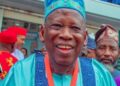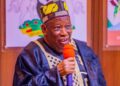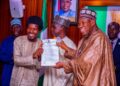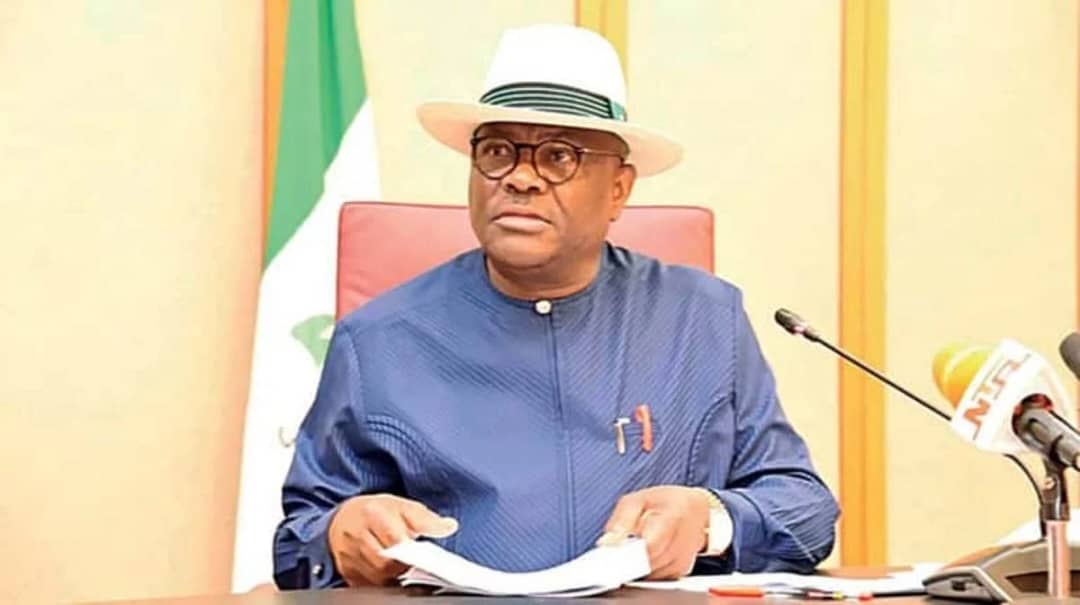






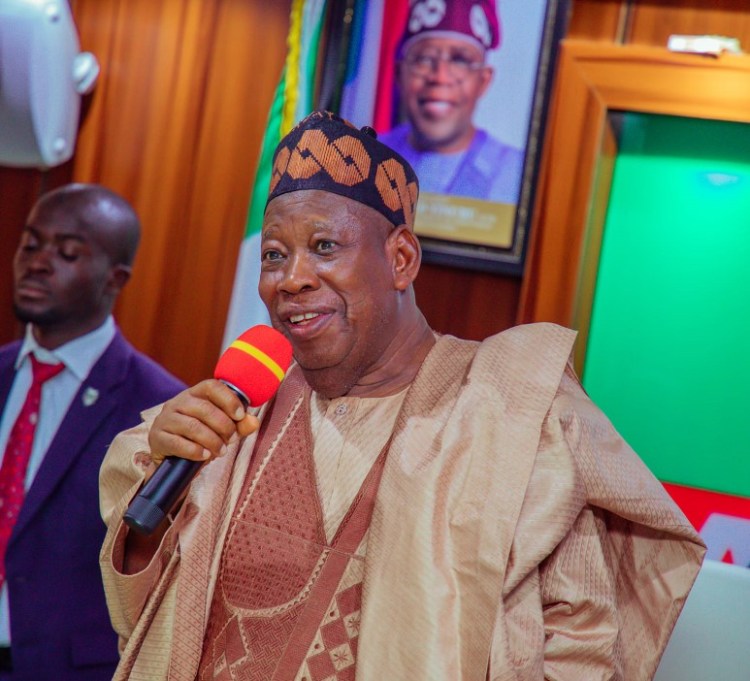
As Dr. Abdullahi Umar Ganduje turns 76 on December 25, his birthday offers more than a moment of personal celebration; it provides an opportunity to reflect on a life largely spent in service, shaped by leadership responsibilities and an enduring commitment to public good.
Born in 1949, Ganduje’s story is closely woven into the political and administrative evolution of Kano State and, by extension, Nigeria. From his formative years, he displayed a strong inclination toward learning, discipline and civic engagement qualities that would later define his public life.
His academic training and early exposure to governance laid the foundation for a steady progression through the ranks of public service.
That journey reached a defining peak in 2015 when he was elected Governor of Kano State, a position he held for two consecutive terms until 2023. His years in office were marked by an ambitious governance agenda that combined infrastructure development with social intervention. Under his leadership, Kano witnessed extensive road construction across both urban and rural communities, the revival of abandoned projects, and renewed investments in education through school rehabilitation and scholarship schemes.
Read Also:
When It Comes to Capital Projects, Ganduje Stands Unmatched in the History of Kano
Ganduje Inspects Ongoing Construction of Multi-Million Naira Friday Mosque in Kano
Why Kano NNPP Administration Cannot Move Beyond Ganduje’s Legacy
Healthcare delivery and rural development also featured prominently in his administration, alongside targeted programmes aimed at women, youths and vulnerable populations.
These initiatives reflected an effort to balance economic growth with social stability, particularly in a state as diverse and populous as Kano.
One of the more complex chapters of Ganduje’s governorship was his engagement with security and socio-economic challenges, notably the herders–farmers conflict. At a time when the crisis dominated national discourse, his administration explored structured settlements, livestock development initiatives and collaboration with traditional institutions. These measures, though controversial in some quarters, later fed into broader national conversations on livestock management and rural security.
After leaving office as governor, Ganduje moved to the national political stage as the immediate past National Chairman of the All Progressives Congress (APC). His tenure coincided with a politically sensitive period, requiring delicate management of internal party dynamics, electoral strategies and reconciliation efforts across various states. Observers often described this phase as one that tested his political experience and capacity for negotiation.
In July 2025, his public service trajectory took another turn with his appointment as Chairperson of the Board of the Federal Airports Authority of Nigeria (FAAN). The role placed him within Nigeria’s critical aviation sector, where his administrative background is expected to contribute to policy direction, institutional oversight and infrastructure repositioning.
Beyond formal office, Ganduje has maintained a humanitarian presence through the Ganduje Foundation. The foundation has supported educational initiatives, religious institutions, youth empowerment schemes and humanitarian causes, underscoring his belief that leadership extends beyond holding public office to making tangible community impact.
At 76, Ganduje’s life reflects more than longevity in politics. It tells a story of continuity—of evolving roles, accumulated experience and sustained relevance within Nigeria’s shifting political landscape. To supporters, he represents structured governance and calculated leadership; to critics and observers alike, his career offers lessons on resilience, adaptation and the demands of public responsibility.
As he marks another year on December 25, Dr. Abdullahi Umar Ganduje stands as a figure whose age is measured not merely in years, but in service rendered. His journey, still unfolding, remains inseparable from the political and social narrative of Kano State and Nigeria at large.