




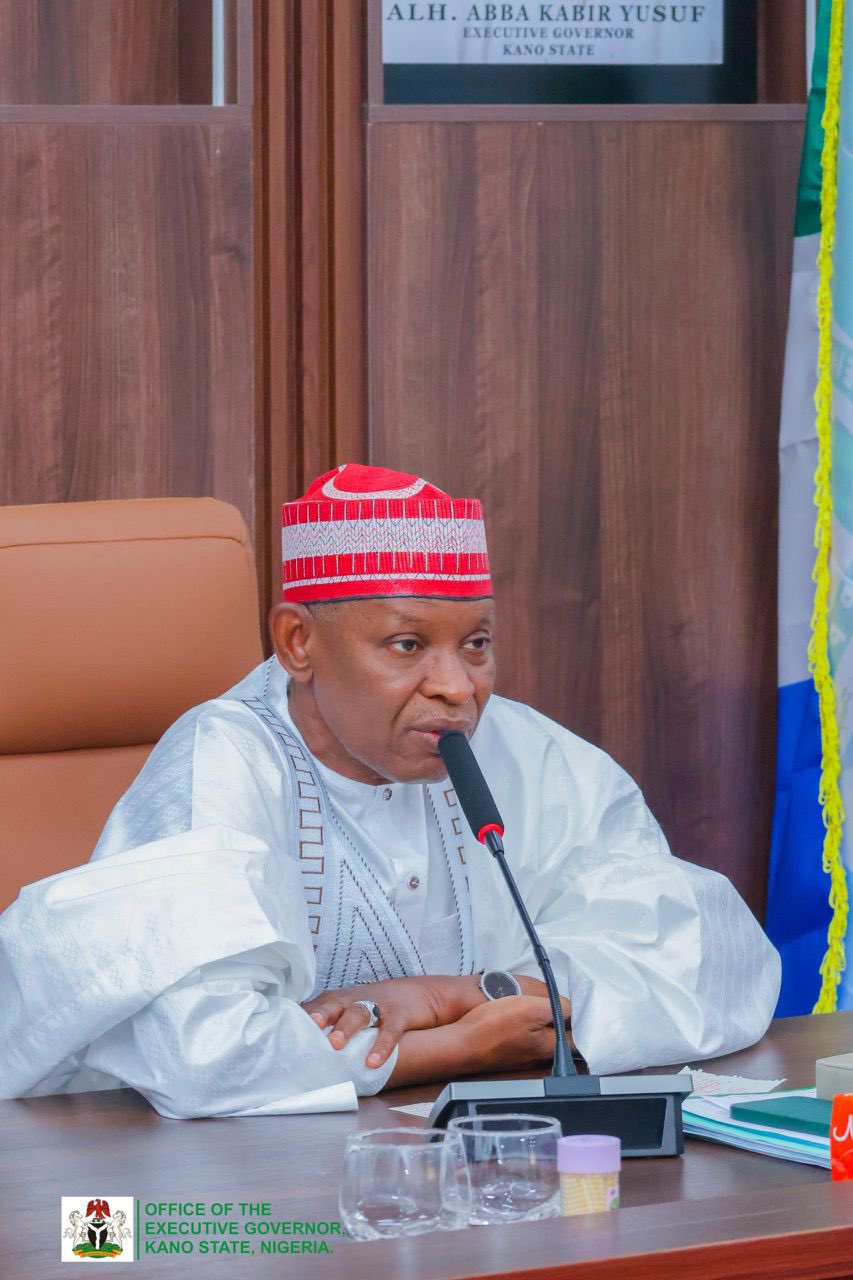
The Kano State Government has approved the promotion of 18,984 teaching and non-teaching staff under the State Universal Basic Education Board (SUBEB).
The fresh promotion covered the January and July 2026 promotion exercises.
The government also released N235.1 million for the implementation of the promotions across the state’s 44 Local Government Education Authorities (LGEAs).
The development is coming amid renewed efforts by the administration of Governor Abba Kabir Yusuf to address longstanding promotion backlogs in the state’s basic education sector.
The approval followed a request by the SUBEB leadership for funds to implement the promotion exercise, which was subsequently ratified by the State Executive Council.
The board has about 60,000 teaching and non-teaching personnel working across the 44 LGEAs.
The SUBEB chairman, Yusuf Kabir, had sought the release of funds for the exercise, noting that the board inherited outstanding promotion arrears spanning several years.
The latest approval is expected to provide financial benefits and career advancement to thousands of workers in the state’s primary education system.
Reacting to the development, Sulaiman Isah, an educationist, described the promotion as a positive step that could boost teachers’ morale and productivity.
Isah said regular promotion should not be viewed merely as a welfare package, but as an important component of an effective education system.
He, however, urged the government to complement the promotion with continuous professional training, improved working conditions, adequate teaching materials and better infrastructure in public schools.
“Promoting teachers is good, but promotion alone cannot solve the challenges confronting basic education. The government must also invest in the capacity of the teachers and provide an environment where they can effectively teach and where children can learn,” he said.
A primary school teacher, Musa Abdullahi, described the development as a welcome relief, saying promotion would give teachers renewed confidence in their profession.
“Promotion means a lot to us. It shows that government recognises the effort we are making in our classrooms. We appreciate the governor for approving the exercise, and we hope the implementation will be done without delay,” he said.
Another teacher, Ibrahim Sani, said the promotion would encourage teachers to put more effort into their duties, while appealing to the government to sustain the payment of salaries, allowances and other entitlements.
“We are happy with the development because promotion comes with both recognition and improved financial benefits. But we also want the government to continue supporting teachers with training, teaching materials and a conducive environment,” he said.
A female primary school teacher, Aisha Muhammad, also commended the exercise, saying it would encourage teachers who had spent years waiting for career progression.
She said teachers needed more than improved salaries, stressing that regular training and adequate facilities were necessary for them to perform effectively.
“We welcome the promotion because it will improve our morale and give us a sense of progress in our careers. As teachers, we want to do our best for our pupils, but we also need the necessary support from the government,” she said.
She urged the government to ensure that all eligible workers benefited from the exercise promptly and transparently.